Assess
Fitness Assessment
The starting point of any serious programme. An objective picture of your body today and the ruler against which all future progress will be measured.
Training without assessment is driving with no dashboard. You still move, but you have no idea of your speed, how much fuel is left, or whether the engine is overheating.
Assessment turns perception into data. It answers questions the mirror cannot: how much of the weight you lost was fat and how much was lean mass? Is that shoulder pain related to a measurable mobility restriction? Is the load you lift today proportional to how long you have been training?
Every client receives a report with their own numbers, explained in accessible language. No unnecessary jargon and no mystery. The data belongs to you.
The method
The protocol
The protocol
Intake interview
Health history, previous injuries, surgeries, current medication, sleep routine, activity level and stated goals. This stage defines what can and cannot enter the programme.
Body composition
Estimated body fat and lean mass via skinfold protocol, recorded for future comparison.
Girth measurements
Standardised circumference measurements by anatomical landmark, the indicator most sensitive to short-term change.
Postural analysis
Observation of alignment and asymmetries guiding exercise selection and adaptation.
Mobility and flexibility
Joint range across the main chains, defining what must be addressed before increasing load.
Strength and conditioning tests
Assessment of strength, muscular endurance and cardiorespiratory capacity, with protocols suited to each client's level.
Results
Real progress, documented and supervised.
Since 2018, clients with very different profiles, from complete beginners and people in fat-loss processes to advanced lifters and clients returning to exercise after injury, cleared and supervised by the responsible health professionals, have reached results built on consistency, not shortcuts.
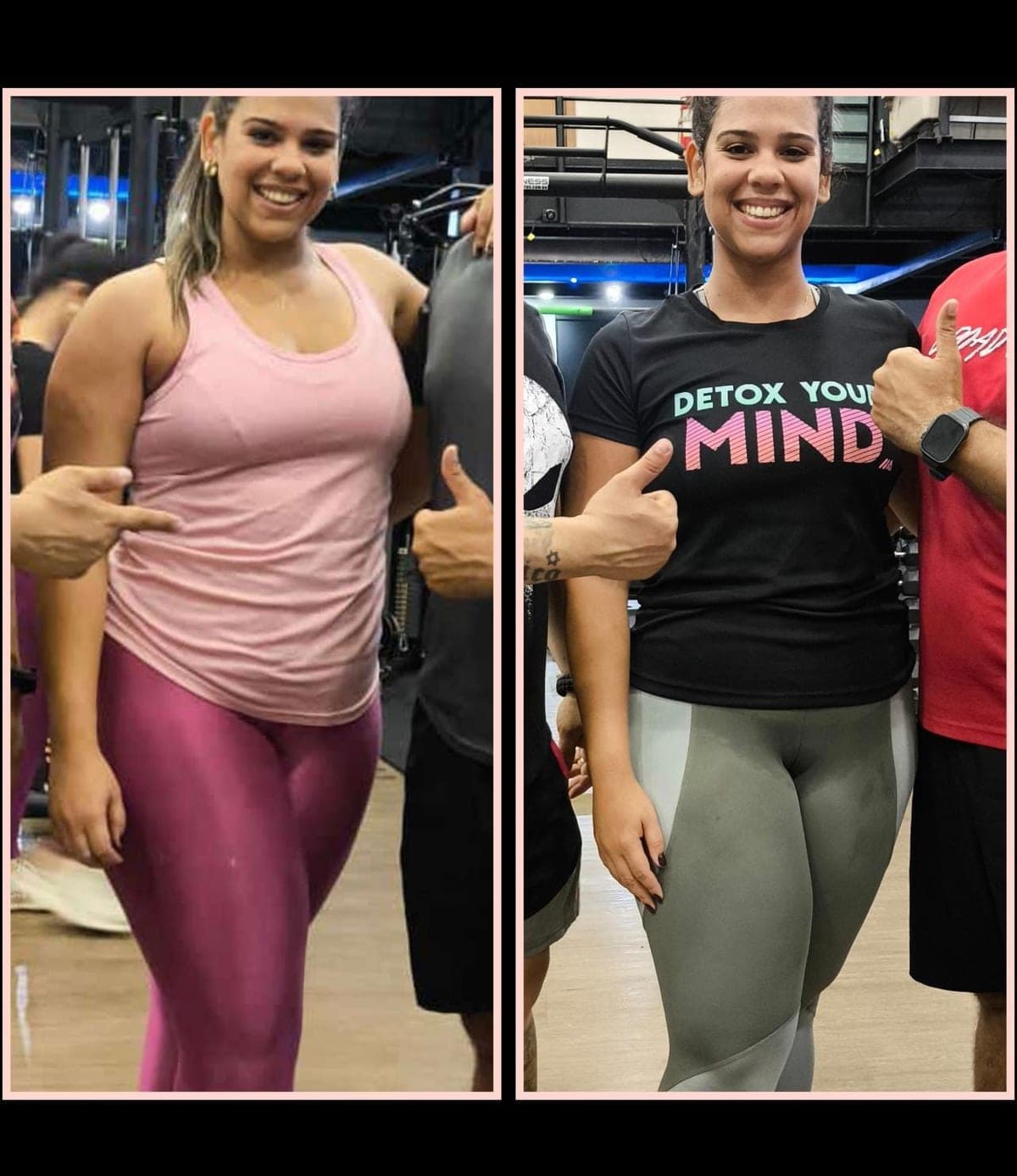
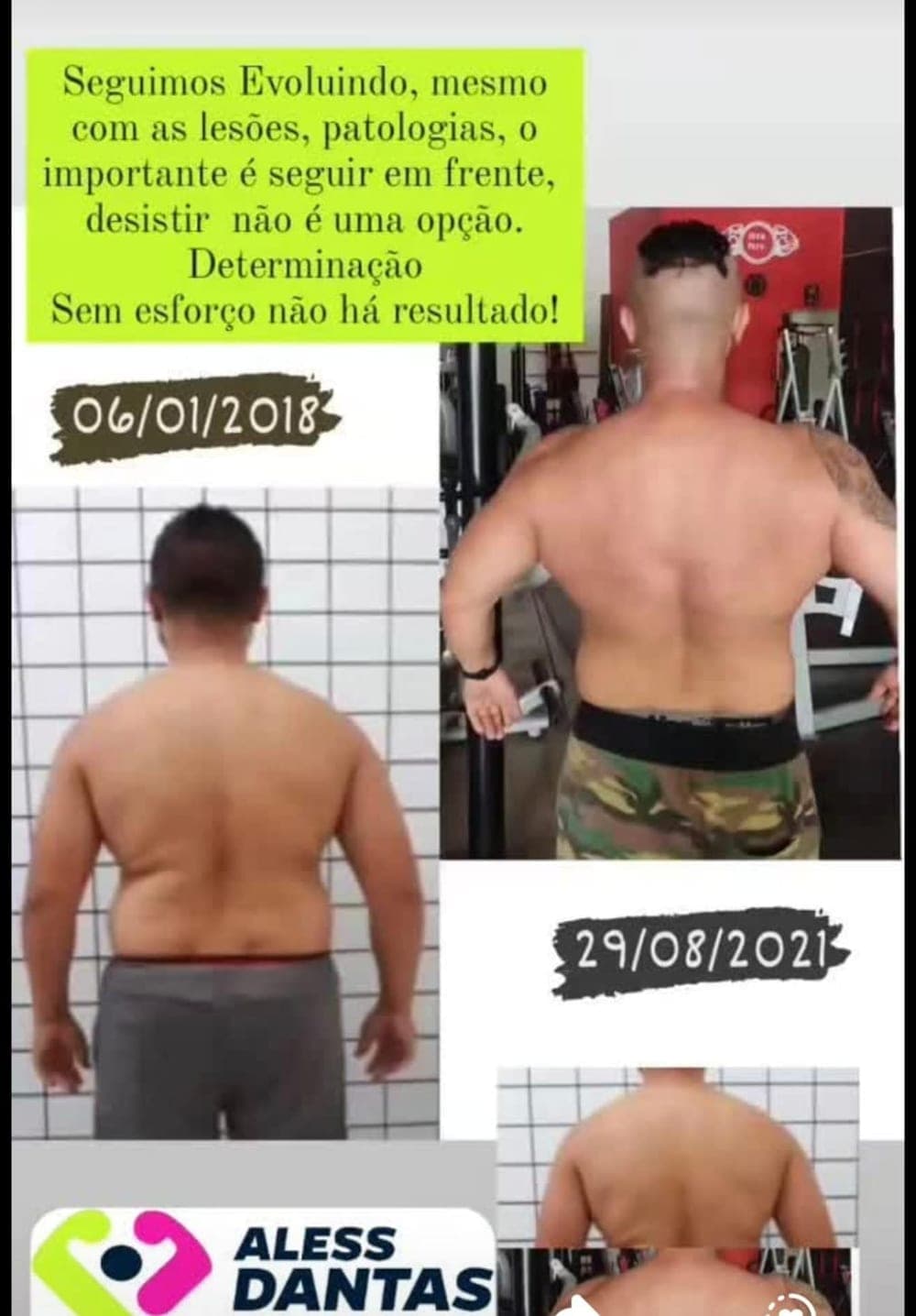
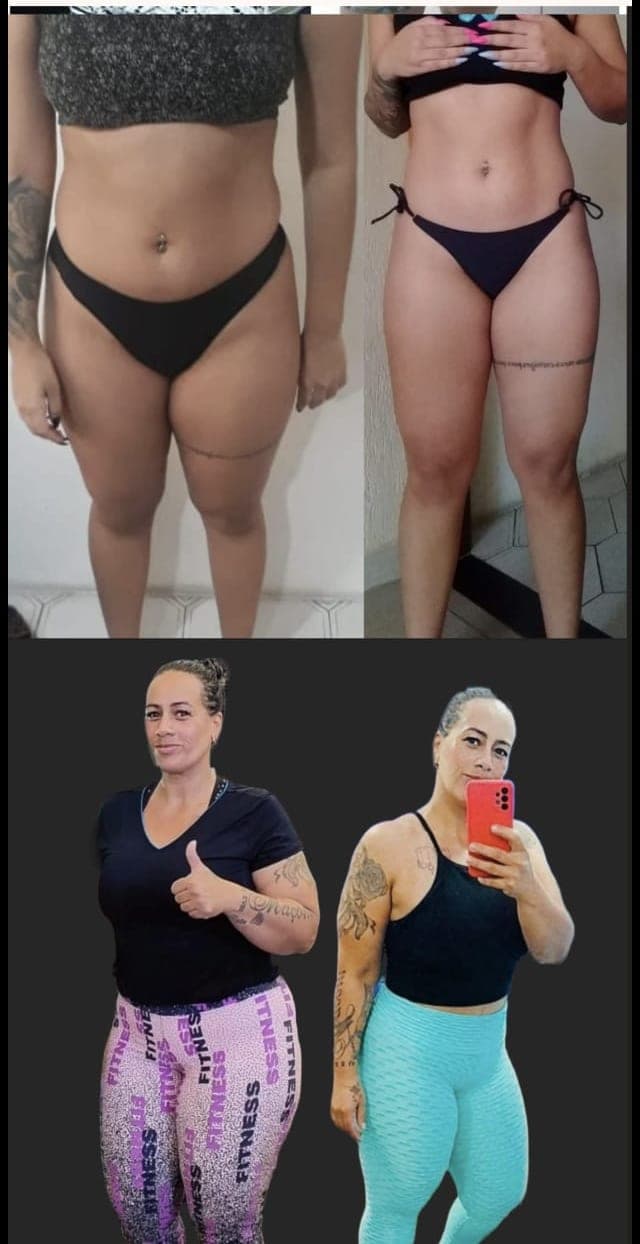
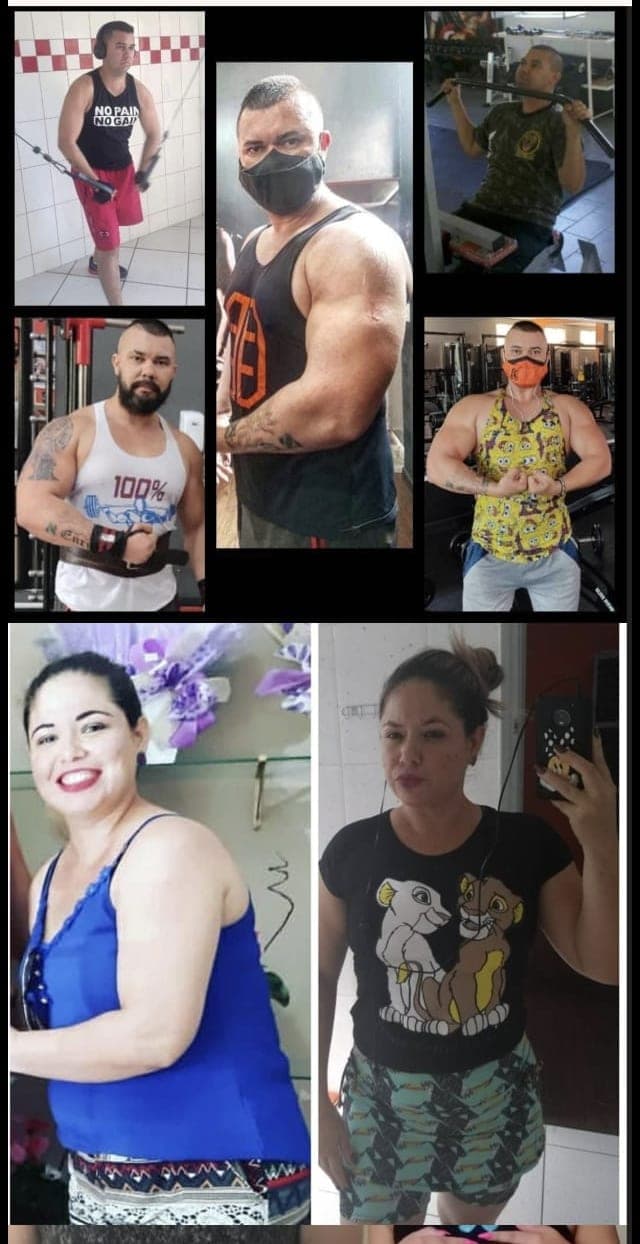
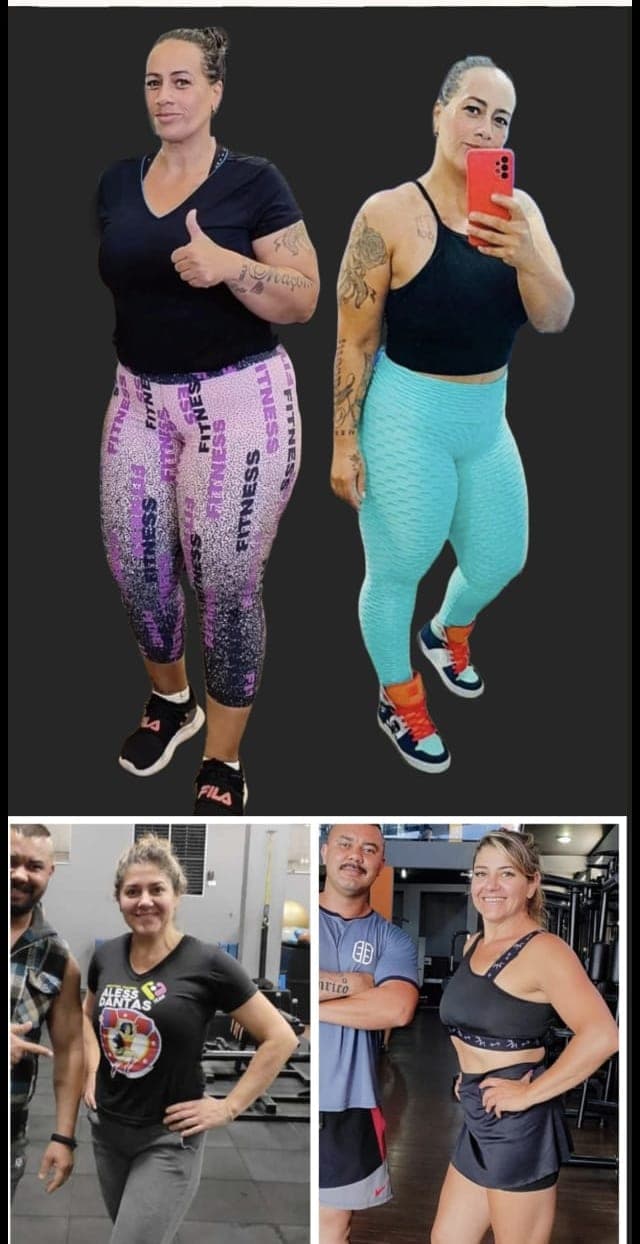
Individual results vary according to genetics, adherence, nutrition, sleep, health history and duration of coaching. No result is guaranteed. Testimonials and images are published exclusively with each client's written authorisation.
What you receive
- A complete report with every measured indicator
- Interpretation of the results in clear language
- Identification of risk points and priorities
- Objective targets for the next cycle
- A comparison baseline for every future reassessment
How often to reassess
Every 8 to 12 weeks, as a rule. That is the window where meaningful physiological adaptation has occurred and it is still early enough to correct the programme's direction. Beginners or clients in faster processes may benefit from shorter intervals.
Book an assessmentFAQ
Frequently asked questions
Do I need to be your client to book an assessment?
No. A fitness assessment can be booked on its own, including by people who train independently or with another professional and want an independent technical diagnosis.
How should I prepare?
Avoid heavy training in the hours before, keep normal hydration, avoid alcohol in the previous 24 hours and wear clothing that allows access to measurement points. Reassessments should be done under similar conditions to the first, because comparison requires standardisation.
Does assessment replace medical exams?
No. Fitness assessment is a tool for exercise prescription, not a clinical diagnosis. It does not replace medical consultation, laboratory tests or imaging. When a finding suggests clinical investigation is needed, the guidance is to see the appropriate health professional.